Trending

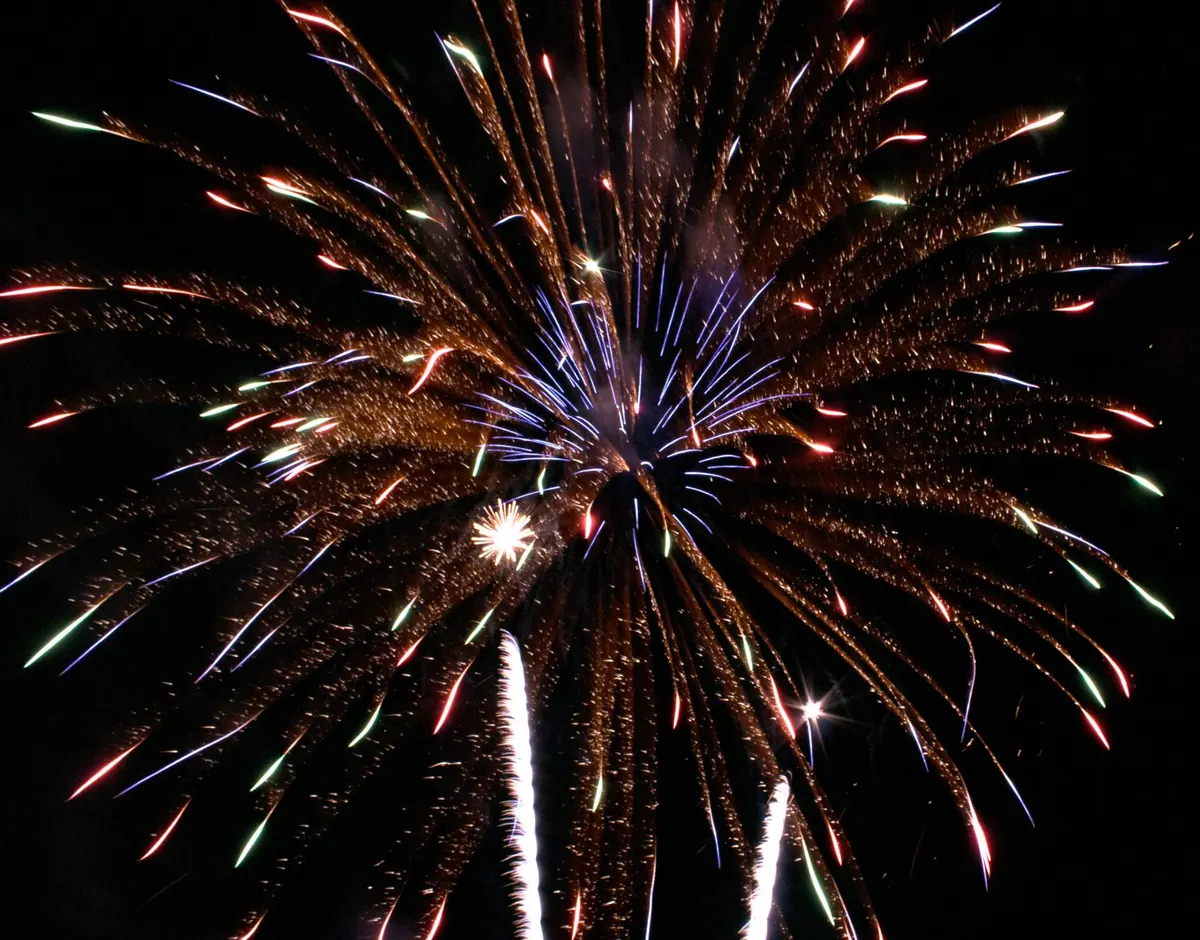
Bonfire Night is one of the busiest shifts of the year for most UK police forces, and rarely because of the fireworks themselves. Call volumes climb for antisocial behaviour, fireworks posted through letterboxes, bins and hedges set alight, frightened livestock, and the familiar mix of alcohol, crowds and dark streets. Forces know it is coming, which is why planning for 5 November usually starts in September.
Whether you are running a village display, keeping a nervous dog calm, or wondering what officers can actually do about the group letting rockets off outside your house, here is how the night tends to work from a policing point of view.
Bonfire Night policing is a partnership job. Neighbourhood teams sit down with the fire and rescue service, ambulance crews, the local council, licensing officers, trading standards and community safety partnerships to work out where the pressure points will be.
A lot of that work is mapping. Officers look at last year's incident logs: which parks attracted large gatherings, which streets generated repeated noise complaints, where empty buildings or industrial estates became makeshift bonfire sites. Rural forces watch for livestock worrying and field fires; city forces watch transport hubs, retail parks and residential estates with tight terraces and little space between fences.
From there, resources follow. Shifts are extended, rest days are cancelled for some teams, and control rooms are staffed for a surge in calls. Specialist resources — dogs, public order units, sometimes mounted officers — are held in reserve rather than committed early. Trading standards teams carry out test purchases in the run-up, checking that shops are not selling to under-18s, and illegal stock bought online or from car boot sellers is seized where it is found.
Officers and PCSOs visit schools, youth clubs and residents' associations in the fortnight before, and that work is not decorative. A quiet word with a group of teenagers who set off fireworks in a stairwell last year often prevents six calls on the night itself.
The rules are simpler than many people assume, and most complaints come down to timing and location rather than fireworks being banned outright.
Legislation differs across the UK, and Scotland has additional licensing rules for members of the public buying fireworks. If you are unsure about your own situation, your council's licensing or environmental health team is the quickest place to ask. For anything with legal consequences, take proper advice.
Most of the toolkit is standard antisocial behaviour legislation, applied with local knowledge. Under section 34 of the Anti-social Behaviour, Crime and Policing Act 2014, an officer of inspector rank or above can authorise a dispersal order in a defined area where there is reasonable belief that antisocial behaviour is likely. That allows officers to direct someone to leave and not return for up to 48 hours. Breaching a direction is an arrestable offence.
Beyond that, officers can seize fireworks, deal with criminal damage, drunk and disorderly behaviour, and public order offences, and arrest anyone throwing fireworks at people, vehicles or animals. Fireworks aimed at emergency workers are treated very seriously indeed.
What police cannot do is be on every corner. That is why reporting matters. If nobody calls about the group gathering in the alley behind your road, that group does not exist on the night's resource map.
Small private displays are legal within the curfew hours, and a bit of planning keeps them neighbourly.
Tell your neighbours when you plan to start and finish. Half the complaints forces receive are about surprise, not noise. Keep alcohol away from whoever is holding the lighter.
For plenty of residents, the first week of November is miserable rather than festive. A quiet check on an older neighbour, or an offer to sit with them for an hour, does more than any leaflet.
Pet owners should bring animals in before dusk, close curtains, and put on a radio or television to mask the bangs. Walk dogs earlier in the evening, and never take a nervous dog to a display. Horses, livestock and small outdoor animals need checking too, and it is worth telling a nearby farmer if you are planning something loud.
Public displays need proper insurance, a site risk assessment, stewarding, first aid cover and agreement from the landowner, and it is worth talking to your local council early about licences and road closures. Invite the neighbourhood policing team along too. Officers would much rather know about a display in advance than discover it through a flurry of 999 calls.
Call 999 if there is a fire, an injury, a crime in progress, or fireworks being thrown at people, animals or property. Call 101 or use your force's online reporting form for non-urgent antisocial behaviour, illegal sales or ongoing problems in a known location. Noise complaints usually sit with the council's environmental health team, which will have an out-of-hours line.
Anonymous information about illegal firework sales or organised disorder can go through Crimestoppers. When you report, give the location, the time, a description of who is involved and any vehicle registrations. Film from a safe distance if you can, but never challenge a group yourself, and never film close enough to make yourself the story.
Bonfire Night is short. A little preparation from residents makes the policing job smaller, keeps crews free for genuine emergencies, and means more people get to enjoy the fireworks rather than worry about them. If you are dealing with a specific legal or safety issue, your local council and neighbourhood policing team are the right people to ask.
Photo: John Davis / Pexels