Trending

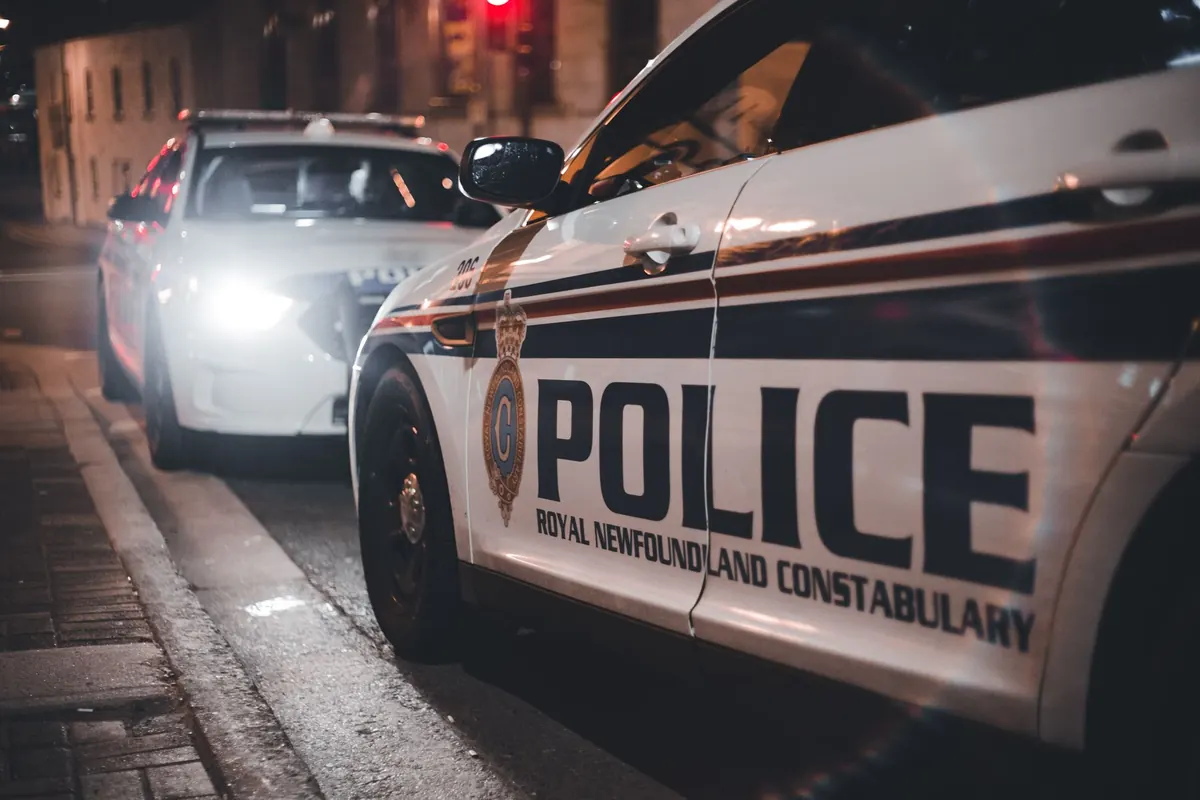
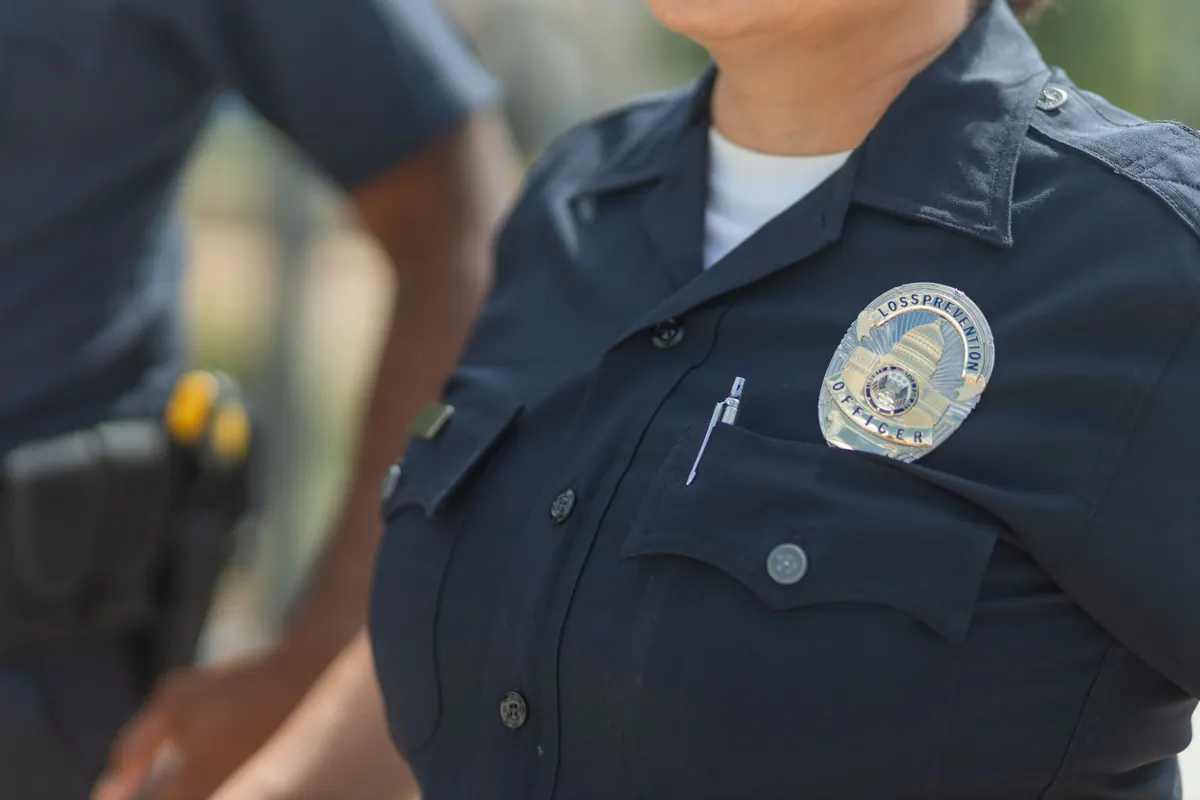
The late shift is the hinge of the police day. Dayshift hands on the jobs nobody resolved, night shift inherits the consequences, and in between, response officers absorb whatever the patch decides to throw at them between mid-afternoon and late evening. What follows is a composite of how a typical late tour runs — timings move, jobs change, but the shape is strikingly consistent.
Nobody arrives at the start of their shift if they can help it. If your tour starts at 15:00, you're through the door by quarter past two, partly because parking near a police station is a competitive sport and partly because walking into briefing cold is a bad way to start eight hours of trouble.
This is ritual time. Body armour on, checked for damage. Baton seated properly, speedcuffs tested, incapacitant spray in date, Taser only if you're trained and carrying. Radio on charge, spare battery pocketed. Personal issue first aid kit and tourniquet where you can reach them with your left hand, not buried under a clipboard.
There's also the reading. Overnight occurrences, force-wide bulletins, wanted nominals, a warning about a repeat domestic address, a note that a local shop has been targeted three nights running. Five minutes of reading saves an hour of confusion later.
Your sergeant stands at the front of the room and runs through the picture. Outstanding suspects, missing people graded as high risk, vulnerable residents, ongoing disputes, and anything on the horizon — a football fixture, a protest, a planned eviction. You ask questions. You find out who you're crewed with and which vehicle you've got.
Before you leave, run through the basics:
The first ninety minutes are often the most useful of the shift. Not because anything dramatic happens, but because this is when you patrol rather than react. You drive the streets where the burglaries have been logged, show your face at the shop repeatedly hit by shoplifters, and stop the car with no insurance that gives you a perfectly legitimate reason to have a conversation.
This is where intelligence comes from. A stop search executed properly, with grounds you can articulate and record, ends either in an arrest or in a form that tells someone else something useful. A chat with a street warden or a shop manager produces more in ten minutes than an hour of driving in circles. Good response officers treat the quiet hours as an investment; the busy hours spend it.
Between five and nine, the volume climbs. Shift change on the roads, pubs opening, families arriving home to find out why the back door is open. Control room transmissions come in short, clipped bursts:
Any unit for a Grade 1, High Street, male reported with a knife, no further description, caller is staff.
Grade 1 means blue lights, regardless of what you were doing. A domestic job is rarely as straightforward as the caller suggested; by the time you arrive, the story has often shifted and there are children in the house who saw all of it. The process from arrival to arrest follows a reasonably fixed pattern:
Every force handles refreshment breaks differently. In practice, a break booked for half seven is a suggestion. You take it when there's a gap, you eat standing up or in the car, and when the radio goes again, the food goes in the bin. Bring something you can eat cold and one-handed. Hydrate properly — the headaches on a late shift are almost always dehydration and skipped meals, not the job itself.
Custody is its own ecosystem. You hand your detainee to the custody sergeant, who asks you questions you should already know the answers to. Then come the rights, the solicitor, the appropriate adult if the detainee is a juvenile or a vulnerable adult, and the medical assessment if anything at all is flagged.
While that runs, you write. Statements, risk assessments, the forms that justify an arrest, the requests for CCTV and digital evidence. Statements written the same night are always better — memory is still fresh, addresses are still accurate, and you won't be chasing yourself by email three days later. Overtime is real, and so is the possibility of court the following morning after a late finish.
Handover to nights is not a chat, it's a transfer of responsibility. Open jobs, outstanding suspects, people still in custody, missing people not yet found, seized vehicles, warrants to execute, and any fragile situation that a fresh officer needs to understand before they knock on a door. Write it down, confirm it's been received, and don't leave anything in your head that only you know.
Then it's kit off, radio on charge, weapons returned, body-worn video docked, and a few minutes with your crew to decompress. The shift ends at 23:00 on paper. It rarely ends at 23:00 in practice.
A few things worth knowing before you commit to it.
The late shift will not make you rich or famous. It will, on a good day, put you in the right place at the right time with the right training, and that's the whole job.
Photo: Erik Mclean / Pexels