Trending


Plenty of fit people fail the police fitness test. They sprint the first four levels of the bleep test, tighten up on the turns, and fade before the halfway mark. The strength element catches others out: strong in the gym, but unable to drive a weighted handle cleanly. Neither problem is really about fitness. Both are about training for one specific test, and eight weeks of focused work gets most candidates there.
Most forces use the multi-stage fitness test, better known as the bleep test, run over 15 metres, followed by a dynamic strength assessment. Many candidates are asked to reach around level 5.4 on the shuttle run, though the exact standard varies by force and role, and specialist units often set it higher. Some forces offer a treadmill-based alternative instead.
Check your own force's candidate pack and train for the version you will sit. There is no point rehearsing a test you will not take. The shuttle standard is not brutal on paper; what catches people is pacing, turning and composure. The strength test is short and sharp, usually a handful of pushes and pulls against a weighted handle, and it rewards leg drive, grip and a braced trunk rather than bench press numbers.
Three phases: build, sharpen, taper. Every week runs on the same skeleton, with the hard work climbing for six weeks and then backing off.
If you already train five or six days a week, keep that volume and shuffle the sessions around. If you are new to running, drop to two runs and build gradually. Shin pain in week two is a reason to change the plan, not to push through it.
Run easy for 20 to 25 minutes, three times, at a pace where you could hold a conversation. On one of those runs, after a warm-up, do 10 x 15-metre shuttles with a 60-second walk between them, purely to get used to the turn. Download the bleep test audio and record an honest baseline score on a properly measured 15-metre line: a park, a sports hall, a quiet car park. Do not pace it out in steps, because 15 paces is not 15 metres. Strength sessions are simple: push-ups, rows, squats, split squats, planks and grip work, two or three sets of eight to twelve reps.
Now the work gets specific. Replace one easy run with intervals: 6 x 2 minutes hard with 90 seconds of easy jogging, or 10 x 30 seconds fast with 60 seconds of recovery. Keep the other runs easy, but extend one of them to 35 or 40 minutes.
Once a week, rehearse shuttles at test pace. Warm up, then run 5 sets of 8 shuttles at the speed you will need around levels four and five, with 90 seconds rest between sets. That teaches your legs where the line is and how much to leave in the tank.
Strength work adds load: goblet squats, deadlifts or Romanian deadlifts, step-ups, farmer's carries, and pull-ups or lat pulldowns. Two sessions a week is plenty. Make the last set of each exercise slightly harder than the one before it.
Weeks six and seven are the hardest. Keep the intervals, extend the shuttle practice into full bleep test attempts, and aim to be a level above your target by the end of week seven. Do not race the bleep test to failure more than once a week. It hurts, it takes days to recover from, and repeated maximum attempts will leave you flat.
Week eight is a taper. Cut volume by roughly half while keeping a little intensity: a short run with four or five fast shuttles, one light strength session, and nothing hard in the final three days. You will feel restless. That is normal, and it is the point.
Small gains here are worth more than another interval session.
If you pick up a warning, ignore it and carry on. Most candidates who receive one still pass.
Train the pattern, not the number. The dynamic strength test is a short push and a short pull, so rehearse both with your feet set, hips low and back straight. Drive with the legs, keep the handles close to your body, and exhale on the effort. Two or three sets of five pushes and five pulls against steadily heavier resistance, once a week, is enough. Add heavy carries and grip work: holding a weight in each hand for 30 to 40 seconds builds the forearms and trunk that keep you stable under load.
Sleep is the cheapest performance boost available, and seven to nine hours changes how a hard session feels. Eat normally. No supplement will carry you through the bleep test, and trying something new the night before is a reliable way to feel dreadful on the day. If a niggle lasts more than a few days, or you have an existing heart, joint or breathing condition, speak to a GP or physiotherapist before pushing on. A fitness test is not worth an injury.
The day before, do nothing harder than a 15-minute walk. Lay out your kit, check your travel, and read the joining instructions again.
On the day, arrive early enough to be calm. Warm up for 15 to 20 minutes: easy jogging, leg swings, a few strides, then three or four practice shuttles to remind your legs of the turn. Eat a normal meal two to three hours before, and sip water rather than drinking a lot in one go.
Have a plan for the levels, not just a target number. Know which level you will start working at and which shuttles you intend to attack. When your legs complain, focus on the next line rather than the final score. Most candidates who fail do so in their head first. Get on the line, pivot, and go
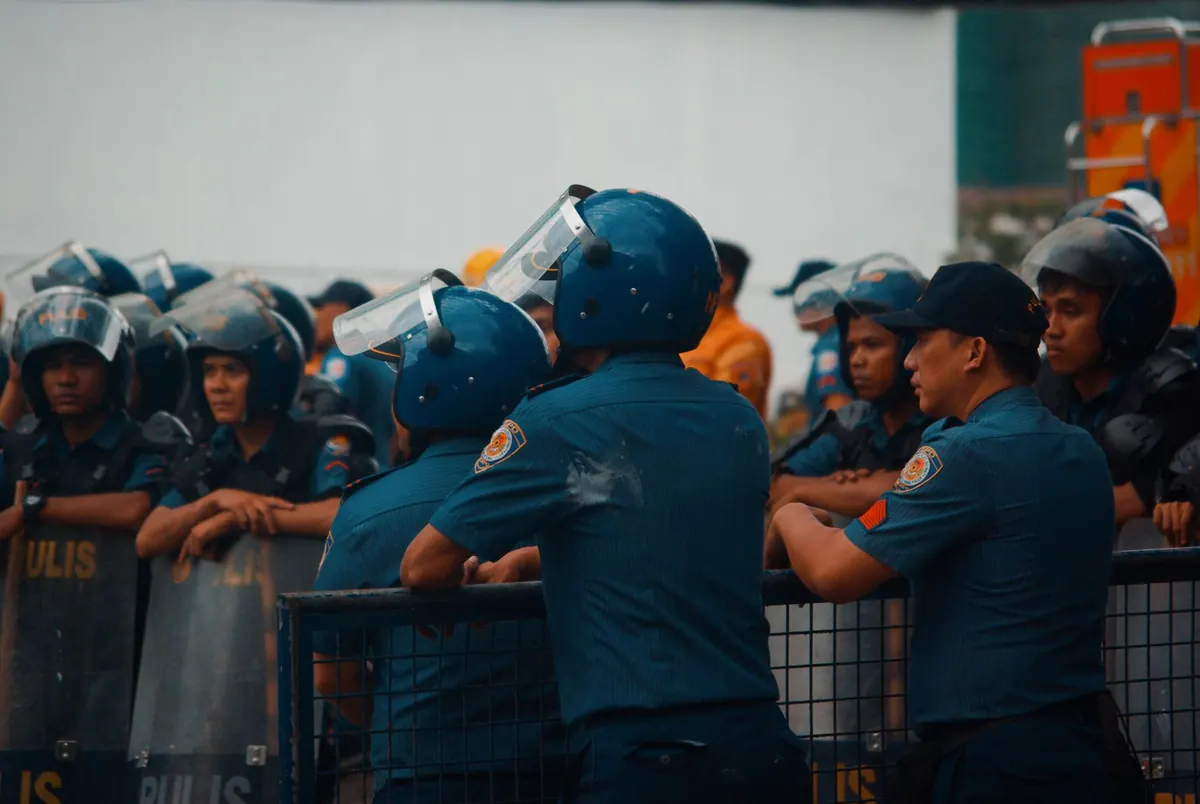
Photo: BOOM 💥 Photography / Pexels